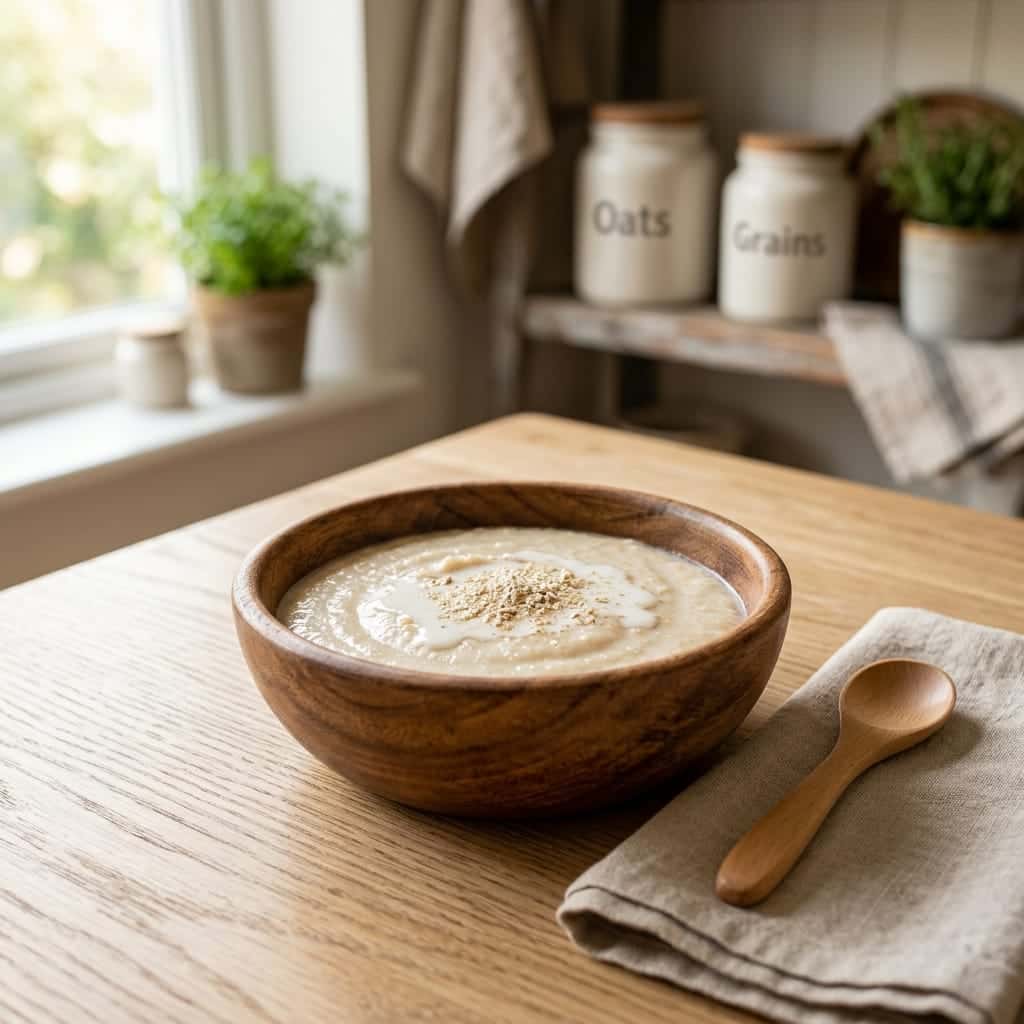
Introduction to Weaning
Introducing solid foods to your baby is one of the most critical nutritional milestones in early childhood development. Around 6 months of age, an infant's iron and zinc stores provided during gestation begin to diminish, while their metabolic demands increase rapidly.
Transitioning from exclusive breastfeeding or infant formula to complementary feeding requires carefully formulated, nutrient-dense, and easily digestible foods.
Biochemist's Insight
At 6 months, an infant's gastrointestinal tract and renal system reach functional maturity to handle complex proteins and starches. Ensuring optimal enzyme activity through proper food processing (such as germination and malting) drastically improves nutrient absorption.
Key Milestones: When is Your Baby Ready?
Before introducing solids, check for these physiological indicators:
- Head & Neck Control: Able to sit upright unsupported with steady head control.
- Loss of Tongue-Extrusive Reflex: Doesn't automatically push food back out with their tongue.
- Chewing Movements: Begins bringing hands and objects to the mouth while making chewing gestures.
- Increased Appetite: Shows keen curiosity when watching family members eat.
Stage 1: First Foods (6 to 7 Months)
Start with single-ingredient, smooth, puree-textured cereals enriched with essential micronutrients.
Ideal First Foods Include:
- Enriched Grains: Fortified infant cereals like RYMS Sorghum & Nutri-Cereal blend.
- Root Purees: Steamed sweet potato, carrots, and butternut squash.
- Fruit Purees: Ripe mashed avocado, steamed apples, and pears.
Always introduce new foods one at a time with a 3-day interval to monitor for potential allergies or digestive sensitivities.
Nutritional Pillars for Infant Foods
| Nutrient | Biological Role | Recommended Sources |
|---|---|---|
| Iron | Cognitive development & hemoglobin synthesis | Fortified grains, legumes, dark leafy greens |
| Zinc | Immune function & tissue growth | Germinated grains, seeds |
| DHA / Omega-3 | Brain membrane structural development | Plant oils, bio-fortified blends |
| Calcium | Bone mineralization & muscular development | Natural whole grains & dairy alternatives |
Preparing RYMS Infant Cereals
Preparing instant cereals with maximum nutrient retention:
- Measure 3 tablespoons of RYMS Infant Cereal into a clean bowl.
- Add warm expressed breastmilk, formula, or boiled water gradually.
- Stir thoroughly to achieve a smooth, velvety consistency.
- Feed immediately with a soft silicone spoon.
Summary
Early nutrition sets the trajectory for lifelong health and cognitive development. By focusing on bioavailable, fortified indigenous grains, you give your baby the best foundation possible.