Enzymatic Germination & Unlocking Infant Digestion
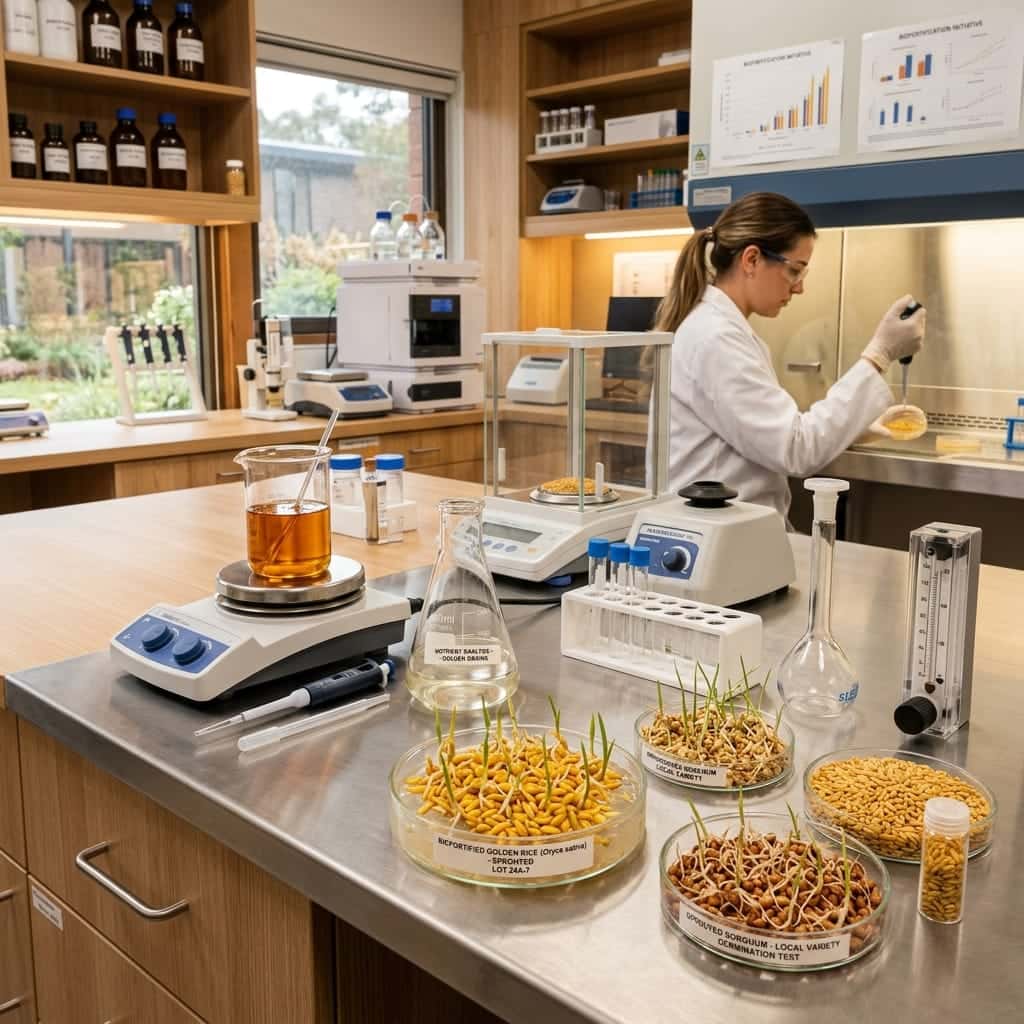
Previously, we highlighted how an infant's gut microbiome adapts to solid foods. In this instalment, we dive deep into the biochemical process of controlled germination (malting) and why it is the gold standard for traditional and modern infant food formulation.
The Problem with Raw Grains & Anti-Nutrients
Unprocessed grains like raw sorghum, millet, and maize contain naturally occurring defense compounds known as anti-nutrients:
- Phytic Acid (Phytates): Chelates essential minerals like Iron (), Zinc (), and Calcium (), preventing intestinal absorption.
- Tannins & Polyphenols: Inogenous compounds that bind digestive proteins, reducing protein digestibility.
The Biochemical Magic of Germination
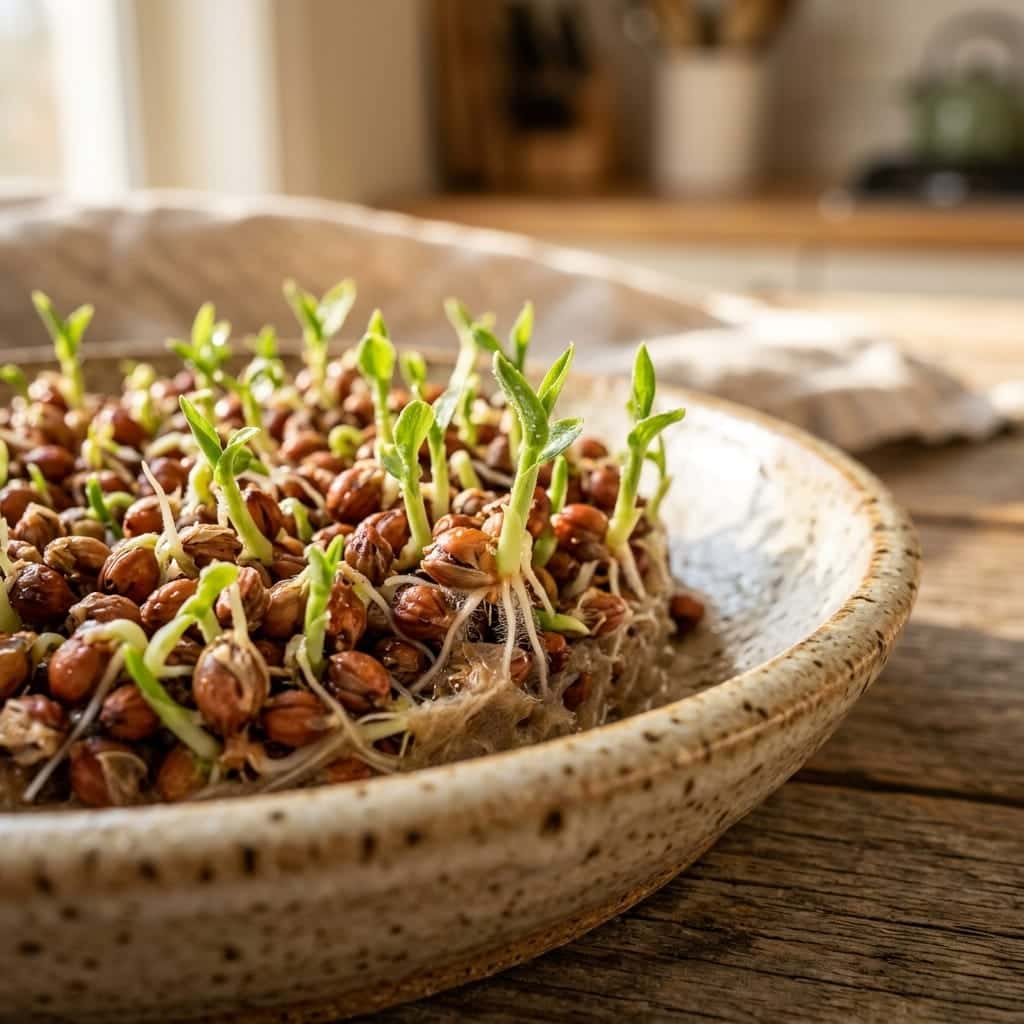
When grains are soaked under controlled temperature and moisture:
- Endogenous Phytase Activation: The seed naturally produces phytase enzymes that break down phytic acid into inositol and free phosphate ions, liberating up to 300% more iron and zinc.
- Alpha-Amylase Starch Breakdown: Complex, viscous starches are hydrolyzed into dextrins and maltose. This reduces porridge viscosity, enabling infants to eat a higher nutrient density per spoonful without choking or bloating.
- Protein Pre-Digestion: Protease enzymes convert complex grain proteins into easily absorbable amino acids.
Enzymatic Germination Sequence
Stages 01
Raw Grain
High Phytates + High Viscosity
Controlled Moisture + Germination
Stages 02
Enzymatic Sprouting
Activated Phytase + Alpha-Amylase
Drying & Fine Milling
Stages 03Final Output
RYMS Germinated Infant Cereal
Gentle Digestibility + Bioavailable Iron & Zinc
In the next article, we will integrate these insights into a practical daily feeding schedule!
Article Series Context
Mastering Infant Gut Health & Biofortified Weaning
This article is Part 2 of a 3-part series on infant gut health and biofortified weaning.
View Full Series Overview & All Parts